HIPAA compliance is essential for healthcare professionals. The law gives patients more privacy protections and aids keep their data safe. It is crucial that you ensure that any system you implement remains compliant with HIPAA regulations. Technology is evolving at incredible speed.
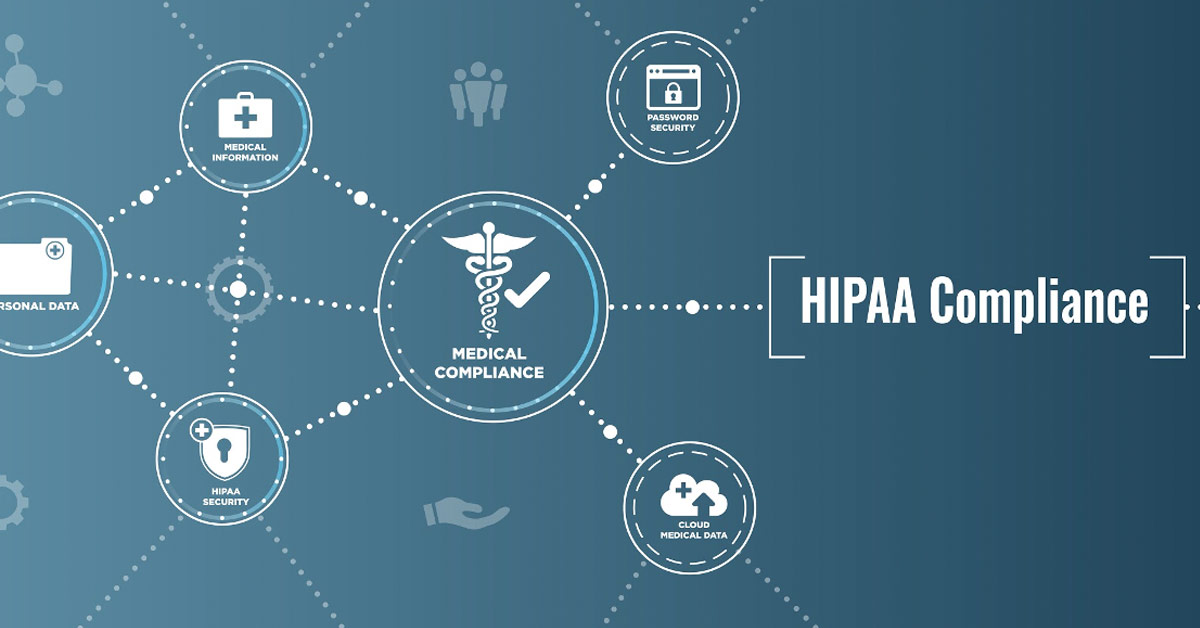
HIPAA compliance can be a tangled process, particularly for businesses that are struggling to understand what HIPAA is and what it means for their business. HIPAA compliance must be adhered to by all healthcare organizations as well as those who work in the insurance industry. It is crucial to fully review the rules and to make sure that all procedures are for compliance. Although it may seem daunting it’s not, compliance with the law is crucial. The compliance will result in better service and protection of privacy and data security, as well as penalties prevented. Businesses can comprehend HIPAA and take the required steps to ensure that they are in compliance with the rules of HIPAA.
While HIPAA’s regulations are arguably rigorous, the focus on proper privacy and security measures is on protecting one of the most important items: information. As the healthcare industry is increasingly moving to digital technology, such as Electronic Medical Records (EMR) more protections have become necessary in order to thwart any unnecessary or unauthorized sharing of private patient information. While guidelines have been set out, compliance with these guidelines is monitored and enforced in order to ensure the security of patients. HIPAA is vigilant about these issues to ensure privacy and security.
HIPAA is a great security feature for all those who work in the medical field and patients whose information is stored. Covered entities (CEs) as well as business associates, can decide whether an addressable implementation specification should be used. This decision will be influenced by various factors such as risk analysis as well as mitigation strategies, current security measures, and the cost of implementation. CES and BAs are free to take a look at alternative options or even skip the entire process in the event that they think it’s suitable for their particular situation. HIPAA aids them in making informed decisions regarding data security and protection and ensuring the right balance between technological security measures and user control.
Numerous organizations benefit from HIPAA compliance. They can guarantee privacy and security are protected for the personal health information of their customers, patients, and clients by adhering to the rules of the Health Insurance Portability and Accountability Act. Compliance ensures that the medical data of individuals are not used to benefit them personally or for the benefit of their healthcare providers. HIPAA compliance permits individuals and healthcare providers to take informed decisions about how private health information is handled and controlled. You can be sure that their data is not accessible or modified by any third party without their approval. HIPAA compliance allows organizations to avoid reputational risk and stay clear of legal and financial consequences due to mishandling patient data. HIPAA compliance is necessary to ensure positive experiences for patients and greater security for sensitive medical records.
These are just a few of the many considerations that you need to be aware of when complying with HIPAA. To ensure that you are in compliance you must know the basics of the law. Also, speak with an expert who can help interpret the law as well as set up the systems and processes. Although it can seem difficult to enforce compliance, it’s essential to ensure the protection of your patient’s rights as being a way to ensure confidentiality.
To know more, click hitech subtitles