In the current era of technological innovation and progress industries across the globe have seen a dramatic change in the way they operate. Automation and robotics have been used by key players across different sectors to improve efficiency, speed up processes, and gain a competitive advantage on the market. Robotics is at the core of this change. It covers the development, integration, and installation of robots across a variety of industries.
Understanding Robotics Applications
Robotics, which is a subfield of technology and science, concentrates on the development of, operation, and applications of robots. A robot is a piece of equipment that can carry out tasks by itself or with the assistance of a human. They are able to perform complicated or repetitive tasks in demanding environments.
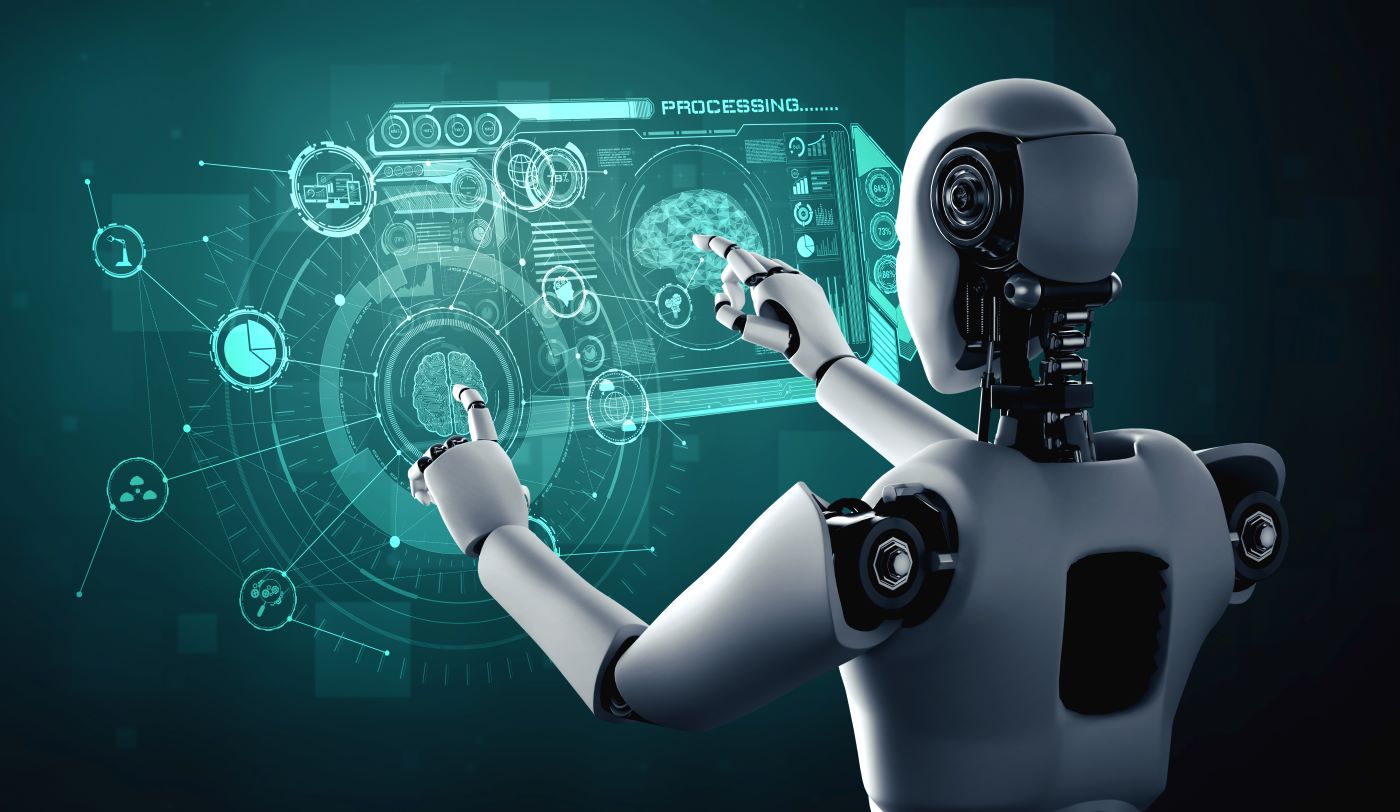
The realm of robotics extends beyond the realm of automation and covers a wide range of applications that aim to revolutionize industries and increase the quality of life for humans. Robots are making their way into a wide range of areas, from manufacturing to healthcare as well as logistics and entertainment. They are able to provide an array of new possibilities.
The Rise of Automation, a Paradigm Shift
Automation, and specifically robotic automation, is at the core of the current industrial revolution. Automated systems has significantly altered the landscape of how firms operate, improving processes and increasing efficiency. Automation enables machines and robots to perform tasks without human involvement, and leveraging technology to increase speed as well as accuracy and efficiency.
Robotic automation involves using robots for tasks that humans traditionally performed. They mimic human movements and are therefore versatile across industries. Robots revolutionize the way we work in any way, whether they’re creating products in a factory or performing complex surgeries in healthcare.
Robotic Process Automation A New Method of Efficiency
Robotic Process Automation (RPA), a subset in automation, includes robots that automate repetitive tasks that are based on rules in business processes. RPA utilizes software robots or “bots”, to perform routine operations. This allows human workers to concentrate on more complicated tasks.
The incorporation of RPA into the business process has proven to be a game changer, offering agility, accuracy and cost-efficiency across a range of industries. RPA alters workflows across many industries starting with data entry and progressing to invoice processing and HR operations.
Advancing Industries with Fanuc Robots
Fanuc is a major player in the field of robotics. They specialize in creating the integration and installation of robots in various industries. The Fanuc robots are famous for their durability, precision and versatility. They are the preferred choice in many industries.
By integrating Fanuc robots into their operations, businesses can revolutionize their operations. The robots are designed to boost throughput, preserve the highest standards of quality, and increase overall efficiency. Fanuc’s revolutionary solutions have been developed to increase the safety of employees by removing them from potentially dangerous tasks.
Fanuc Advantage: Driving competitiveness
Fanuc robots are a great option to establish a competitive edge on your competition. Fanuc robots are able to boost efficiency and productivity, leading to a faster ROI. Automating repetitive, labor-intensive jobs allows businesses to reallocate their resources to tasks that require a lot of creativity and problem-solving.
Fanuc robots can be adapted to meet the needs of specific industries. Fanuc’s innovative approach to developing and using robots allows for companies to stay ahead of the competition and achieve sustained growth.
Future A glimpse
As technology continues to improve and improve, the field of automation and robotics is expected to evolve further. Future developments may include enhanced artificial intelligence, enhanced sensors, and increased collaboration between humans and robots that will result in a more seamless and efficient working environment.
In conclusion, the fusion of automation and robotics, including Robotic Process Automation and Fanuc robots, is changing industries and propelling them towards the future. The efficiency gains gained from robots have enabled companies to not only succeed in today’s highly competitive marketplace, but also create new frontiers of technological innovation. We are at the beginning of a brand new era and the impact of robotics, automation, and artificial intelligence is sure to be felt in the near future.